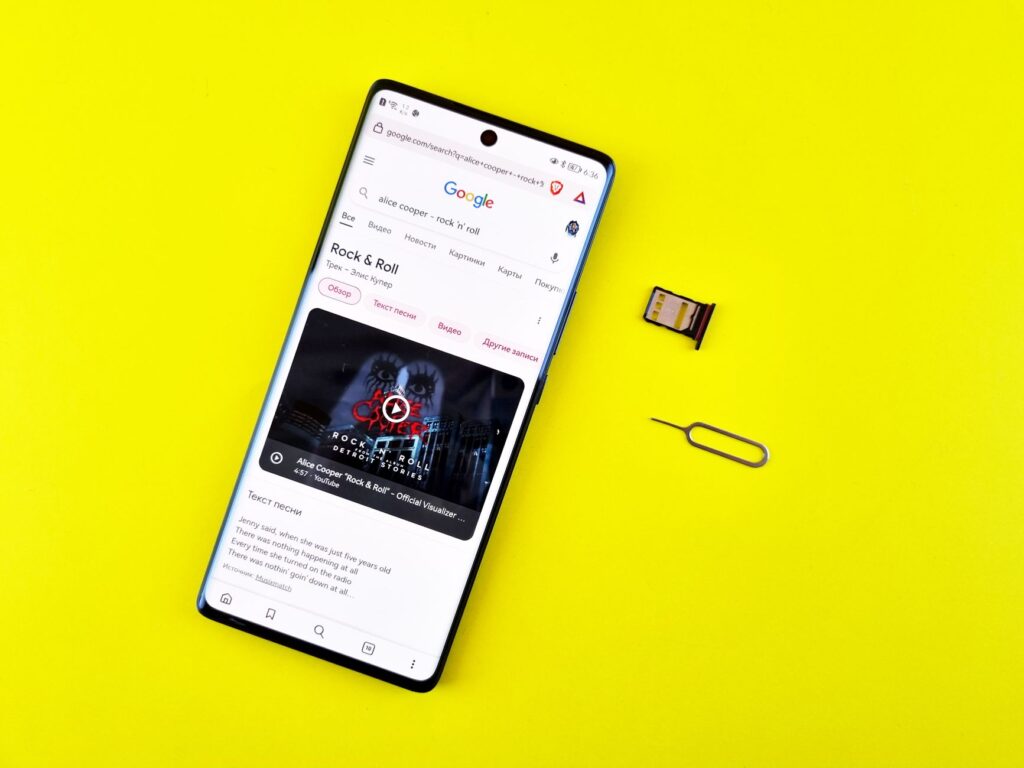
An eSIM (embedded SIM) is a programmable chip built directly into your phone. Instead of pushing a plastic card into a tray, you download a carrier profile — usually by scanning a QR code — and your phone connects to a network within minutes.
How does an eSIM actually work?
Every eSIM-capable phone ships with a small secure chip called an eUICC. When you buy a plan, the provider sends you an activation code (the QR). Scanning it tells the chip to download that carrier profile over Wi-Fi. From that moment your phone treats it exactly like a physical SIM: it registers on the network, gets an IP address, and starts moving data.
What you need
- An eSIM-compatible phone — iPhone XS or newer, Google Pixel 3 or newer, Samsung Galaxy S20 or newer, and most flagships since 2019. See our device compatibility list.
- A carrier-unlocked device — phones bought on installment plans are sometimes locked to one operator.
- A Wi-Fi connection for installation — the profile download itself takes under a minute.
eSIM advantages for travelers
- Buy before you fly and land connected — no airport kiosk queues.
- Keep your home SIM active for calls and SMS; the eSIM handles data.
- Store several profiles at once and switch per trip.
- No plastic, no paperclip, nothing to lose.
Common misconceptions
“eSIMs are complicated.” Installation is three steps: Settings → Cellular → Add eSIM, scan, confirm. Our step-by-step guide covers every phone brand.
“I will lose my number.” No — your physical SIM keeps working alongside the eSIM. You choose which line handles data.
“It is only for new iPhones.” Hundreds of Android models support eSIM too, including mid-range devices.
Ready to try one?
Turnaa sells prepaid travel eSIMs for 200+ countries with instant QR delivery. Browse destinations and be online the moment you land.