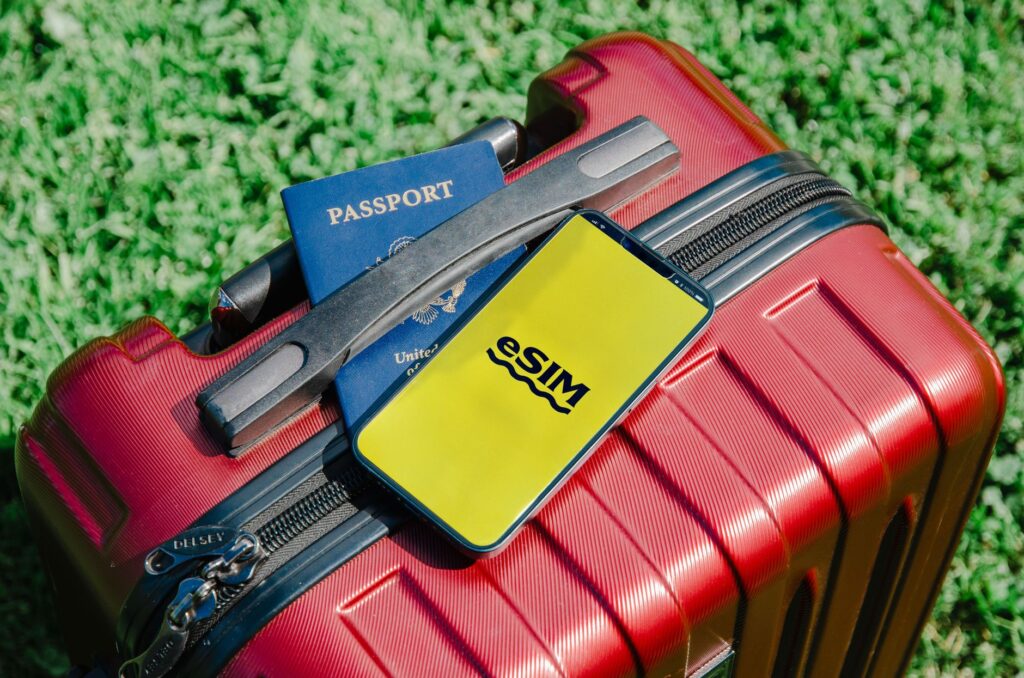
Both connect you to the same networks at the same speeds. The difference is everything around that connection: how you get it, how fast, and what happens when plans change.
1. Delivery: seconds vs days
A physical travel SIM must be shipped to your home or bought at a kiosk after landing. An eSIM arrives by email in seconds and installs before your suitcase is packed.
2. Switching carriers
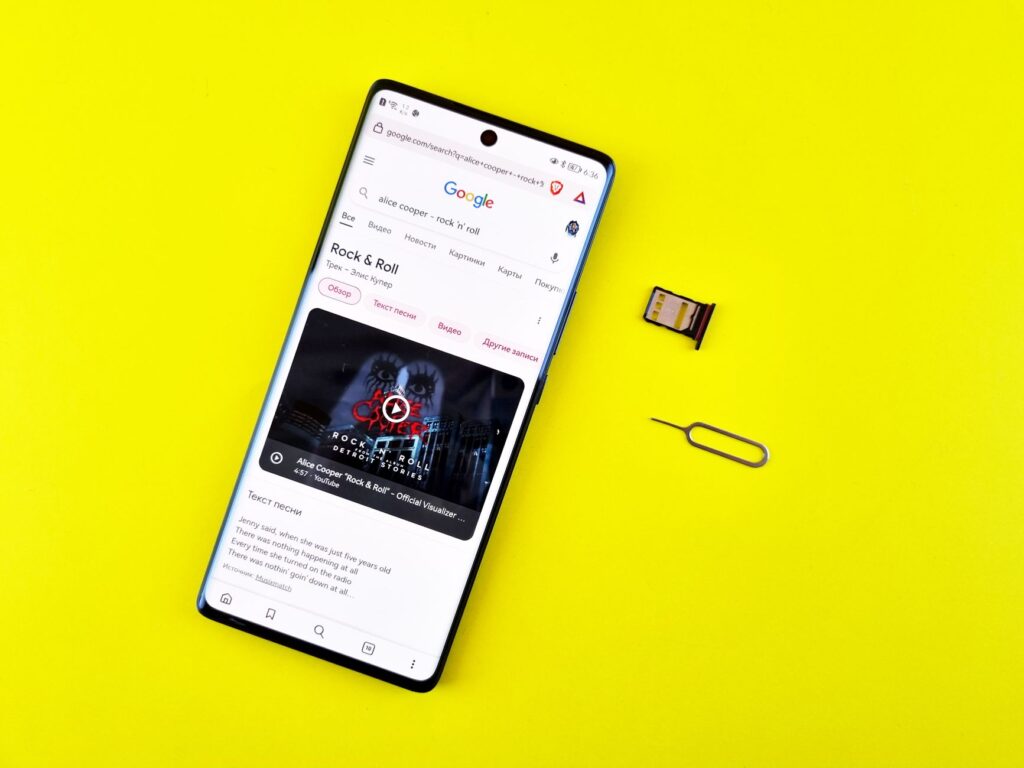
Swapping physical SIMs means carrying a pin tool and tiny plastic cards. eSIM profiles switch from Settings in two taps — and your phone can store several at once.
3. Dual-SIM made simple
With an eSIM you keep your home number active for banking codes and WhatsApp while a travel plan carries the data. No tray juggling.
4. Security
A stolen phone with a physical SIM lets a thief pull the card and use it elsewhere. An eSIM cannot be removed — it is locked to the device and protected by your screen lock.
5. What can go wrong
Physical SIMs get lost, bent, or stuck in trays. eSIM risks are digital: scan the QR on the wrong device and you may need a replacement, since most profiles install only once. (If that happens with a Turnaa eSIM, support can help.)
6. Price
No plastic, no logistics, no retail markup — travel eSIMs are usually cheaper than airport SIM counters for the same data.
7. Availability
The one real limit: older or entry-level phones may not support eSIM. Check the compatibility list before buying.
Verdict
For travel, eSIM wins on every axis except device support. If your phone was made after 2018, there is little reason to hunt for plastic. See plans for your destination.