The arrivals-hall SIM kiosk is a travel ritual — and, increasingly, an unnecessary one. Having done both many times, here is the honest comparison.
The airport kiosk experience
- Queues after a long flight — 20–40 minutes at busy hubs is normal.
- Passport registration — many countries require ID paperwork for physical SIMs; you wait while it is processed.
- Tourist pricing — airport counters routinely charge 30–100% above city prices for the same operator plans.
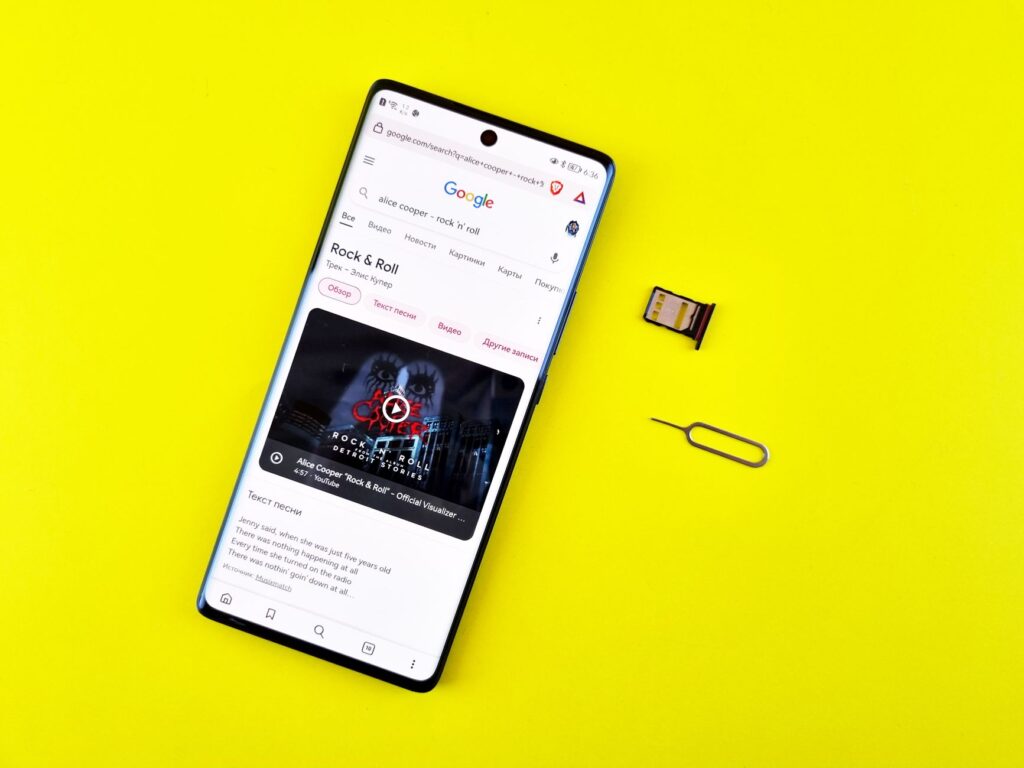
- The tray dance — swap cards, keep your home SIM safe for two weeks, hope it does not vanish.
The eSIM experience
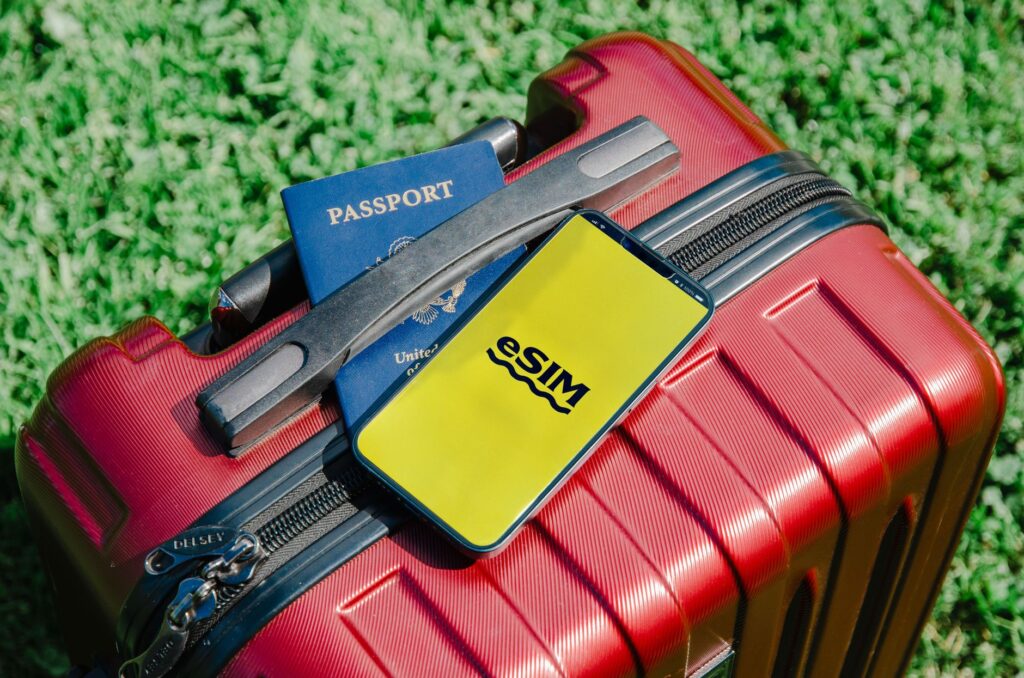
- Buy online before the trip; QR arrives by email in seconds.
- Install at home on Wi-Fi (3 steps); the plan typically activates on first use at the destination.
- Walk past the kiosk queue and straight to the taxi app.
- Home SIM stays in the phone for calls, SMS and bank codes.
When the kiosk still wins
Fairness requires it:
- Your phone does not support eSIM (check here).
- You need a local phone number for weeks of local calls or local-only apps.
- Month-long stays where a resident plan’s price per GB beats travel plans.
The verdict for a typical trip
For a 3–21 day visit where data is what you actually need, eSIM wins on price, time and hassle. Land, switch on, go.
Prices shown up front, delivery in seconds: find your destination.